
The Voice
On Whitney Houston, the gold standard she set, and why some songs will always belong to someone else.

There are songs you listen to, and then there are songs that take you back to a moment in time. For me, “You Give Good Love” by Whitney Houston is that song. The moment the song begins, I am twenty years old again.
Jill is sitting with me in the campus cafeteria at UBC, laughing at something I said. We dated in university, she was my first real girlfriend. Jill was warm and caring, and so good at making me feel like I was the most interesting person in the room.
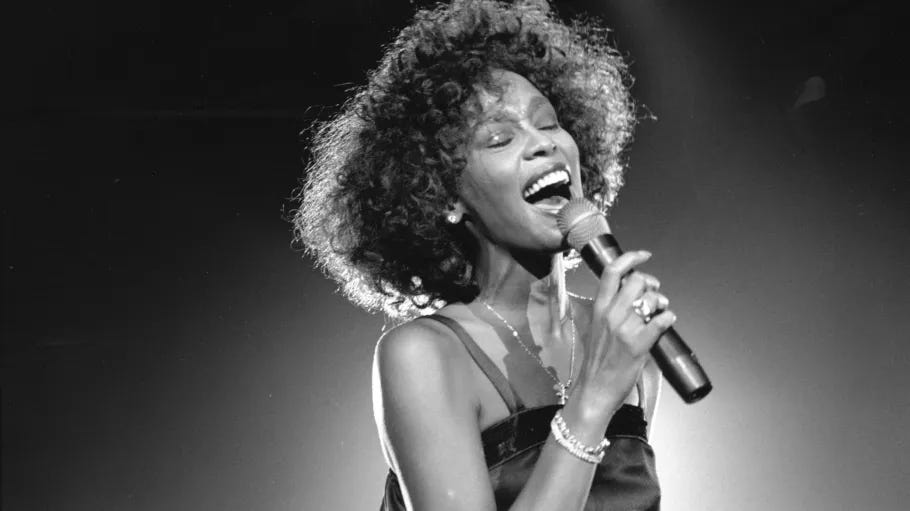
“You Give Good Love” was the debut single from 23-year-old Whitney Houston, announcing herself to the world with a composure that many singers spend a career trying to find. But that is the thing about Whitney Houston: she was not working up to greatness. She arrived with it fully formed.
“You Give Good Love” was the debut single from 23-year-old Whitney Houston, announcing herself to the world with a composure that many singers spend a career trying to find
What Made Her Different
No doubt Whitney was The Voice for technical reasons attributed to vocal training from her mother Cissy and cousin Dionne Warwick. But it doesn’t fully explain what Whitney did to you when she sang.
The difference for me was her emotional precision. She did not just hit the notes; she knew exactly which emotional gear each note required, and she shifted accordingly.
Listen to the bridge on “I Will Always Love You”. Other singers who have attempted that song can hit the technical marks. What they cannot replicate is the specific quality of grief and grace that Whitney poured into it. The restraint before the explosion. The held breath before the release. You can learn the notes. You cannot learn that.
In my opinion Whitney Houston was also an extraordinarily intelligent interpreter of a lyric. Whitney did not just sing songs. She understood what a song was about on a level beneath the words. That is a rare gift and is what separates singers from artists.
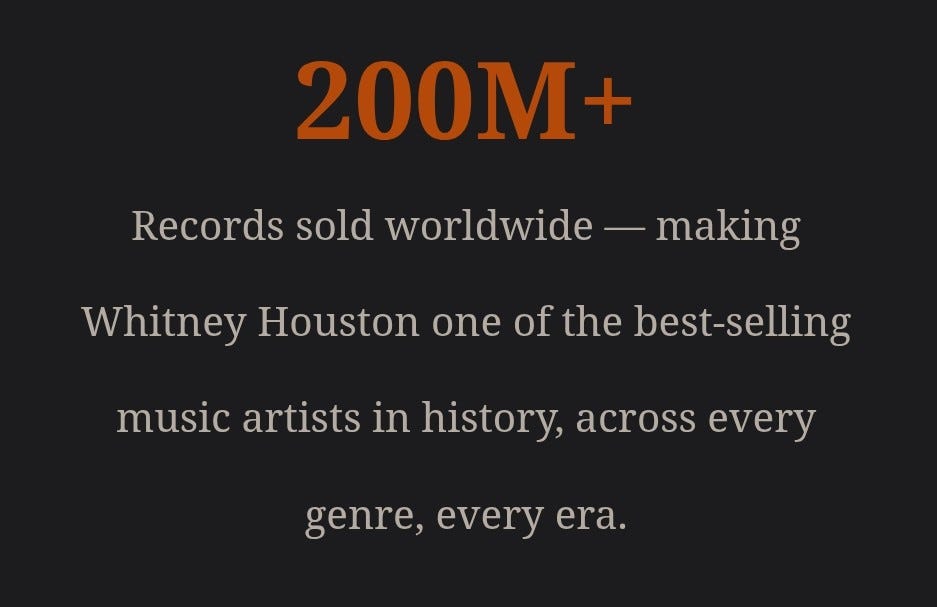
The Gold Standard
When we evaluate the great female singers of the modern era, we measure them against Whitney Houston. Not consciously, maybe. But the question is always there, underneath the praise. Yes, but is she Whitney?
Mariah Carey has a range that is one of the most impressive in music history. Yet Mariah herself has acknowledged the debt owed to Whitney Houston.
Celine Dion has the kind of voice that fills arenas and sells out Vegas residencies and reduces grown adults to tears on command.
Adele resurrected love ballads for a generation that had largely given up on them, and did so with a rawness and emotional honesty that felt genuinely new.
Beyoncé has turned performance into something closer to a total sensory experience, redefining what a pop artist can be in the twenty-first century.
All of them are extraordinary.
None of them are Whitney.
That is not a slight; it is simply an acknowledgment of what she established. She set a ceiling so high that even the most gifted vocalists of the past thirty years have spent their careers in its shadow, and I have a feeling most of them would tell you so themselves.
The Privilege Of Watching Her At Her Peak
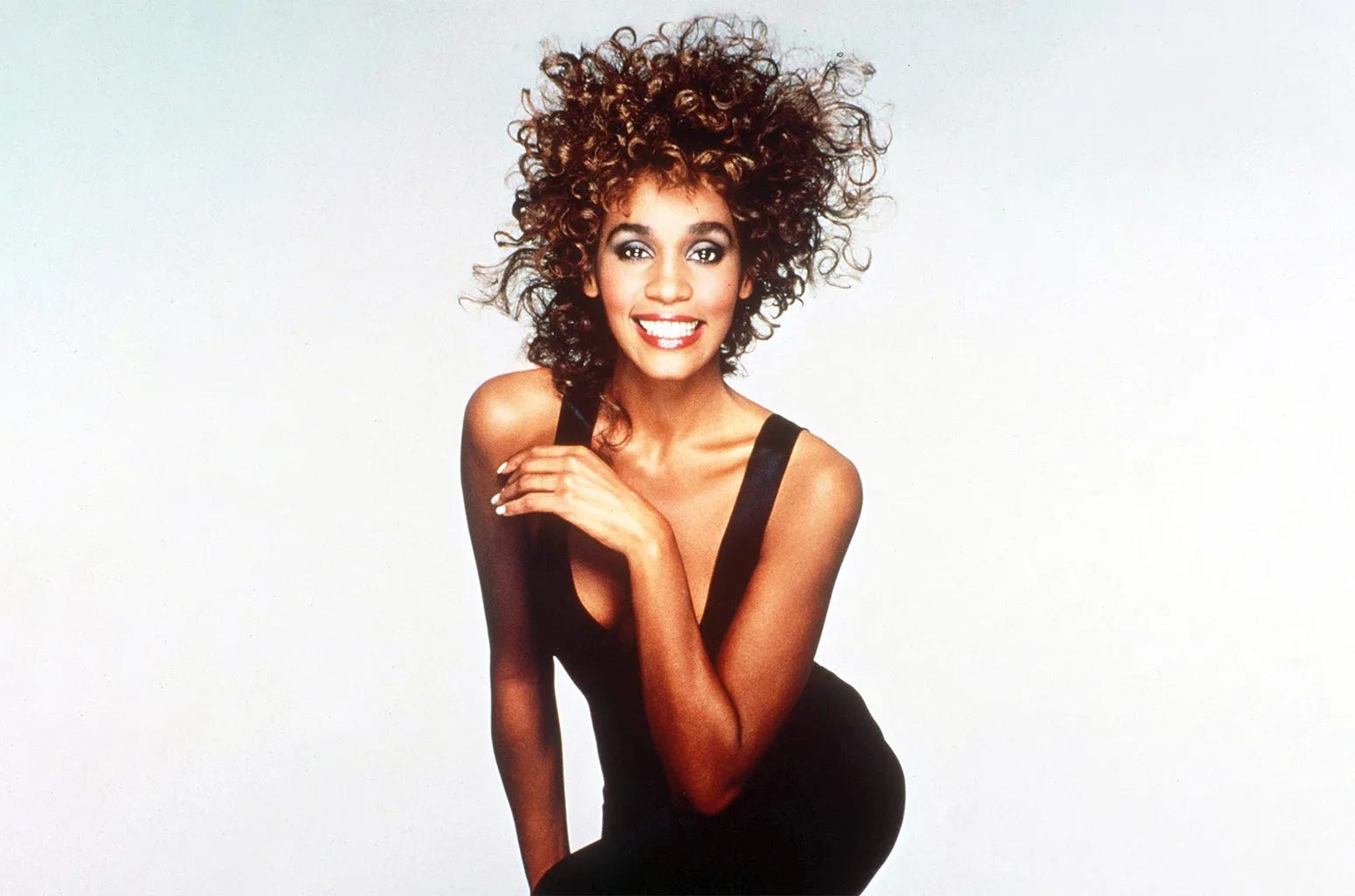
Watching Whitney Houston perform at her peak was a privilege that only reveals its full weight in retrospect.
The 1994 American Music Awards. The 1991 Super Bowl US national anthem is still, by wide consensus, the greatest rendition ever performed. She delivered the anthem with a joy and effortlessness that made the impossible look casual.
The Bodyguard soundtrack sold over 45 million copies. Those of us who were present for that — who heard “I Will Always Love You” for the first time on the radio and just stopped what we were doing — we carry that in us. It was that kind of voice.
There were moments watching her perform where you could feel the audience collectively processing the fact that they were witnessing something that would not come again. She left audiences suspended, speechless.
Bobby, And The Grief Of Watching Her Unravel
Sadly, there is the other story. The one that ran parallel to all of that brilliance, quietly at first, then catastrophically.
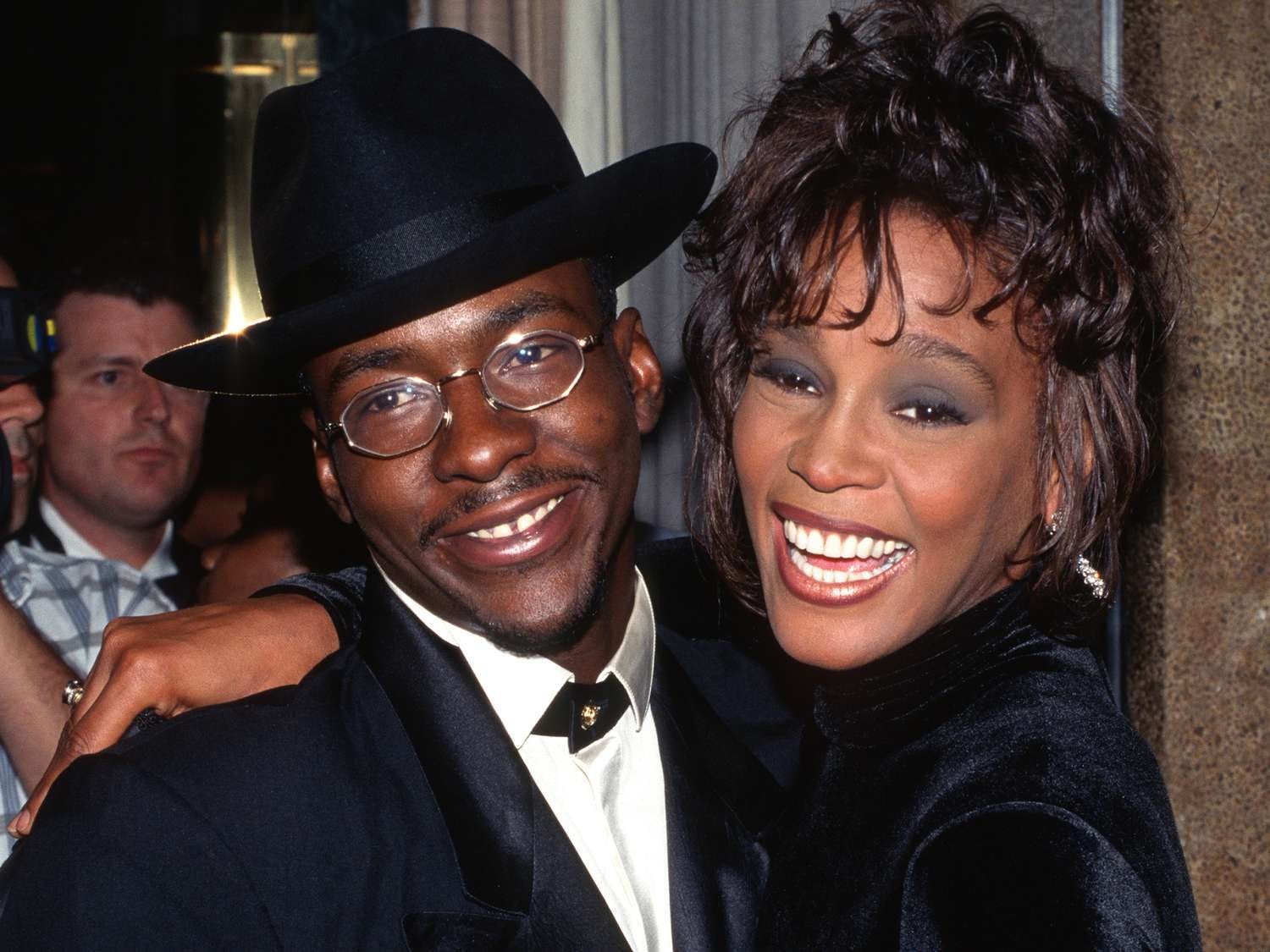
Whitney Houston married Bobby Brown in 1992. What followed was one of the most publicly documented and privately devastating declines in pop music history. There is a part of me that wants to assign all the blame to Bobby. He was certainly not a positive influence. However the truth is more complicated and heartbreaking.
Whitney had her own vulnerabilities and demons, and a complicated relationship with the pressure of superstardom. Bobby did not create this. He just arrived at exactly the wrong moment to make them much worse.
What I remember is watching her on television in the late 1990’s and early 2000’s and feeling a kind of dread. The interviews where something seemed off. The performances where the voice that had once been indestructible was showing cracks. The decline was not because it had aged naturally, but because it had been damaged.
There is a particular grief attached to watching someone squander a gift that was never really theirs alone. That voice belonged, in some larger sense, to all of us who had ever been moved by it. And we were watching it disappear in real time.
“There is a particular grief attached to watching someone squander a gift that was never really theirs alone. That voice belonged, in some larger sense, to all of us who had ever been moved by it.”
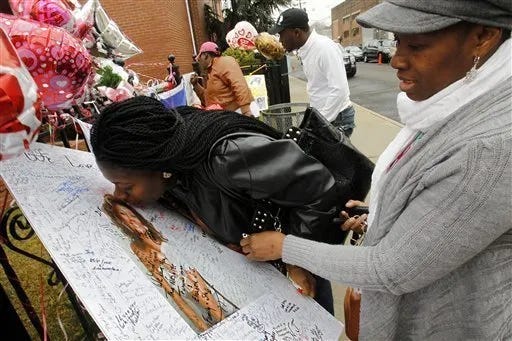
Whitney Houston died in February 2012, in a hotel bathtub in Beverly Hills, the night before the Grammy Awards. She was 48. The world stopped for a day, the way it only does for the genuinely irreplaceable.
I watched her funeral service at home. When Kevin Costner stepped up to deliver his eulogy, I cried in a way I had not cried in a long time. He spoke about her with such tenderness and such specific love, as her friend and her co-star. You could feel that he was one of the few people in that room who had known her in a way the outside world did not.
He talked about her insecurities and her humanity, the girl beneath the voice. That made it all so much worse, and so much more real. It reminded you that Whitney Houston was not a monument. She was a person. A person who had been loved, and lost, and was now gone far too soon.
I was not expecting to fall apart. But I did. I think a lot of us did.
What “You Give Good Love” Does To Me
I have not spoken to Jill in a very long time. After we broke up, we went our separate ways and lost touch. But I will always be reminded of her when I listen to “You Give Good Love” .
Every time I hear the song, I go back to the time I was 20. The cafeteria. The laugh. The walk after English class to the parking lot. The feeling that something special was happening. The feeling that someone actually cared for me.
The Voice. Whitney Houston.
A category of one.
If Whitney's voice ever stopped you in your tracks, you already know everything I am trying to say. That is the thing about great art; it does not need explaining. It just needs to be felt.
Beautiful piece. Miss her so much. You're absolutely not wrong. She was the GOAT. Always will be.
RIP Whitney
great read!